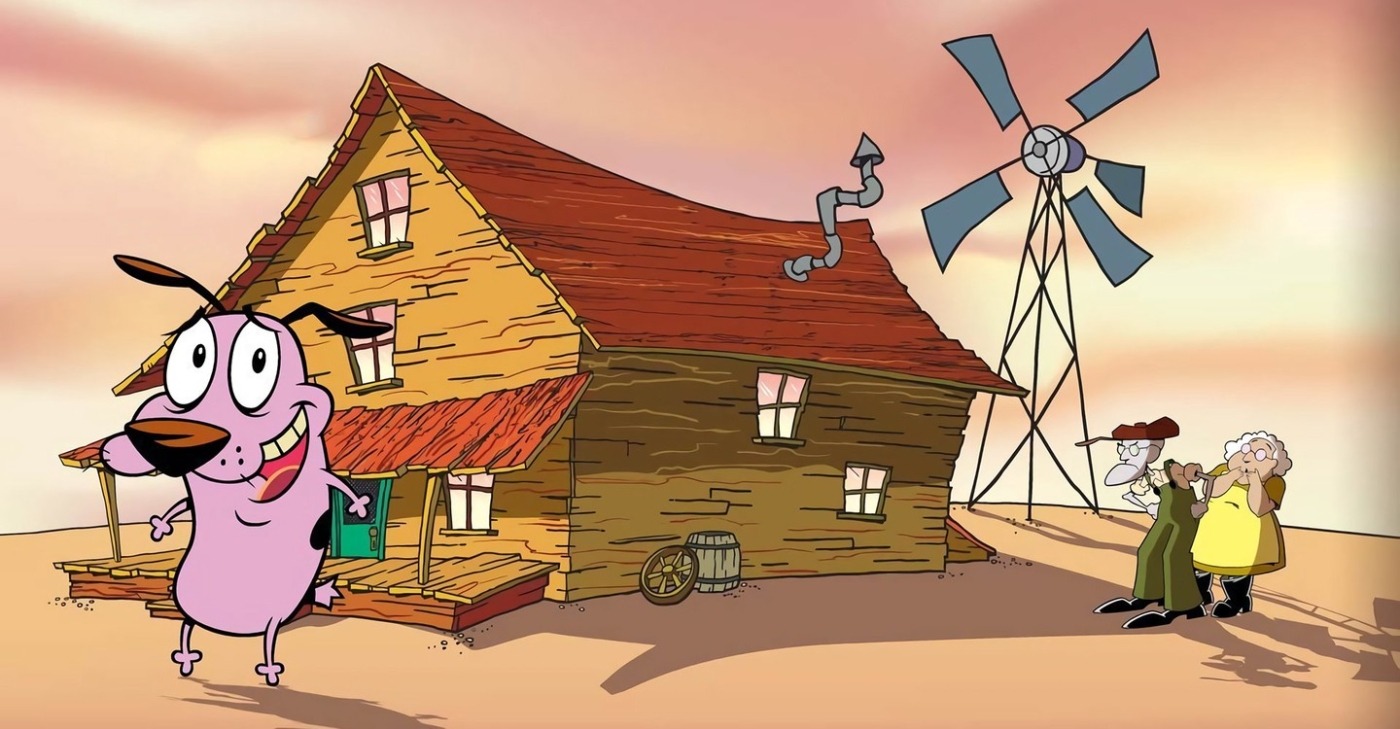
Explore Courage the Cowardly Dog, the iconic 90s cartoon blending horror and heart in Nowhere, Kansas. A timeless classic for true fans.
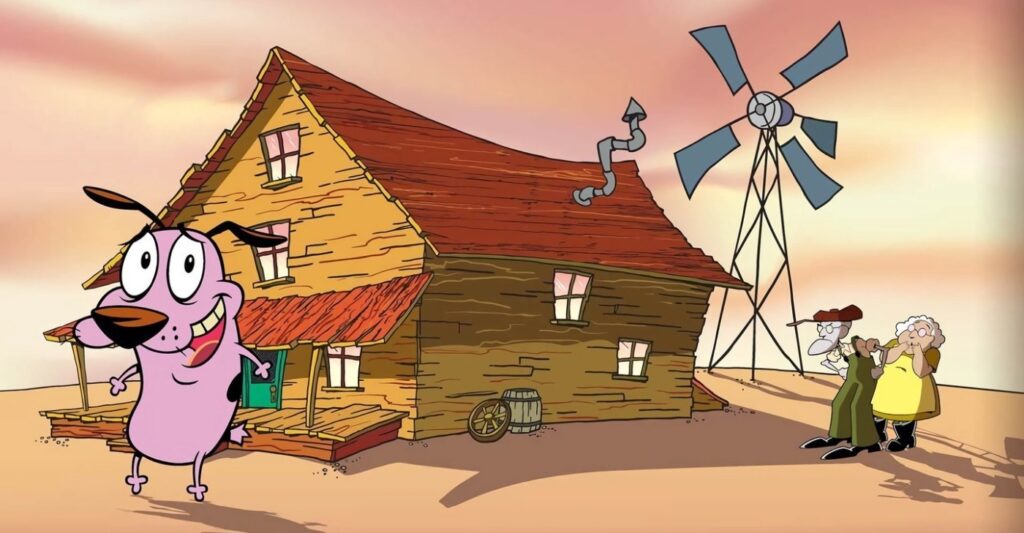
Courage the Cowardly Dog: The Ultimate 90s Cartoon Experience
Though animation saw a golden age in the 1990s, few shows could match Courage the Cowardly Dog‘s cult following and emotional depth. When it debuted on Cartoon Network, this iconic animated series combined bizarre comedy, psychological terror, and poignant storytelling in a way that appealed to both kids and adults.
As loyal viewers who appreciate this remarkable show’s artistic ambition, narrative depth, and enduring cultural impact, we return to it more than just as sentimental watchers.
The Origins of Courage the Cowardly Dog
The series was developed by John R. Dilworth from a short film called The Chicken from Outer Space, which was nominated for an Academy Award. A full television adaptation that would redefine what animated storytelling could accomplish on children’s television was made possible by its success.
Courage the Cowardly Dog stood out from the start thanks to its unique visual aesthetic, which combined conventional 2D animation with avant-garde computer-generated imagery backgrounds and hideous character designs. Even though the show ran from 1999 to 2002, its impact is still felt today.
The Setting: Nowhere, Kansas
As symbolic as it is unnerving, the show takes place in the remote farmhouse of Nowhere, Kansas. The show’s main themes of fear and resiliency are reinforced by the endless flatlands, which highlight loneliness and vulnerability.
This desolate environment becomes the perfect stage for:
- Supernatural invasions
- Psychological terror
- Absurdist villains
- Existential dilemmas
The emptiness of Nowhere amplifies every threat. With no neighbors and no escape, Courage must confront danger head-on.
The Core Characters of Courage the Cowardly Dog
Courage – The Reluctant Hero
Courage, a tiny pink dog plagued by ongoing anxiety, is at the center of the series. He constantly puts everything on the line to keep his family safe in spite of his crippling fear. In his character arc, bravery is redefined as the resolve to act in spite of fear rather than the lack of it.
Courage embodies:
- Emotional vulnerability
- Unwavering loyalty
- Quiet heroism
- Deep trauma from abandonment
This emotional depth sets the show apart from typical 90s cartoons.
Muriel Bagge – The Heart of the Farmhouse
Muriel Bagge is a symbol of coziness and unwavering affection. Her Scottish accent, sweet disposition, and unfailing generosity serve as the show’s emotional fulcrum.
Courage is inspired to face his fear by Muriel’s kind presence. The emotional stakes would disappear without her. She is the heart and spirit of the series, not just a supporting role.
Eustace Bagge – Comic Cruelty with Depth
A large portion of the show’s harsh humor comes from Eustace Bagge. Eustace, who is abrasive, avaricious, and always annoyed, frequently ignores Courage’s cautions until it is too late.
But underneath his animosity is loneliness and uncertainty. Even the antagonists in Courage the Cowardly Dog have emotional weight, as demonstrated by the episodes that delve into Eustace’s history and unveil a remarkably complex character.
Why Courage the Cowardly Dog Was Revolutionary
1. Horror Elements in a Children’s Cartoon
Few animated series dared to incorporate genuine horror. Courage the Cowardly Dog embraced:
- Body horror
- Psychological suspense
- Gothic atmosphere
- Surreal villains
Episodes like “King Ramses’ Curse” and “Freaky Fred” delivered imagery that lingered in viewers’ minds for years. The show treated young audiences with respect, trusting them to process complex emotions.
2. Emotional Storytelling Beneath the Fear
Beneath its eerie surface lies a profound exploration of:
- Abandonment
- Isolation
- Trauma
- Compassion
Courage’s backstory being separated from his parents adds emotional gravity rarely seen in animated television at the time. Each supernatural encounter metaphorically mirrors internal struggles.
3. Unique Visual and Audio Design
The show’s artistic direction remains unparalleled. Its creators utilized:
- Distorted camera angles
- Unsettling close-ups
- Mixed-media animation
- Experimental sound design
This visual audacity produced a surreal and unsettling atmosphere. A sensory experience unmatched by any other 90s cartoon was created by the hideous antagonists, exaggerated facial emotions, and striking color contrasts.